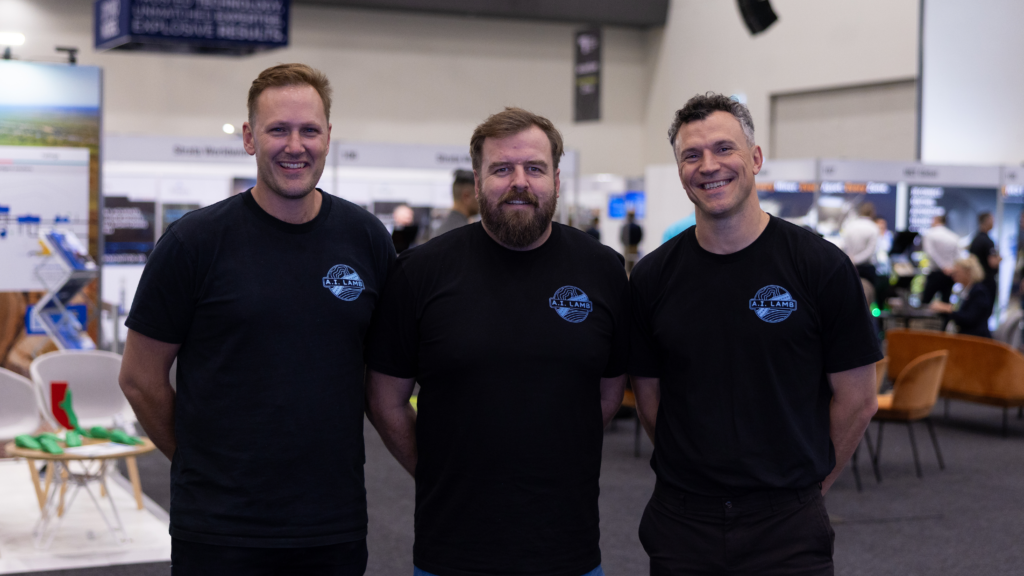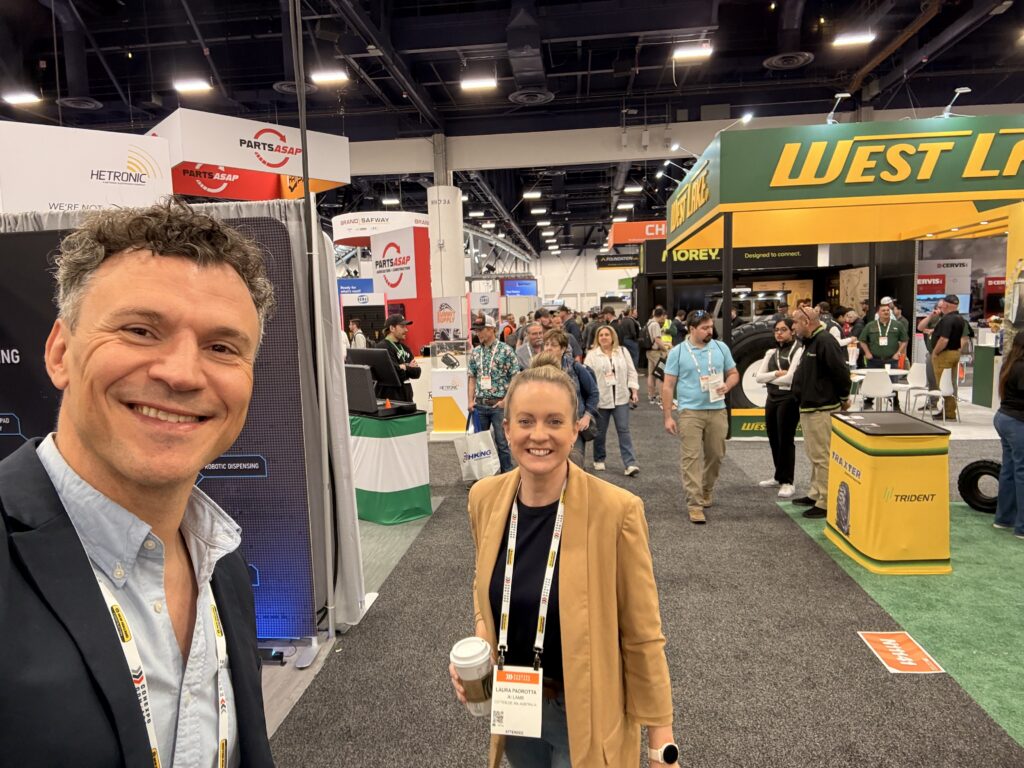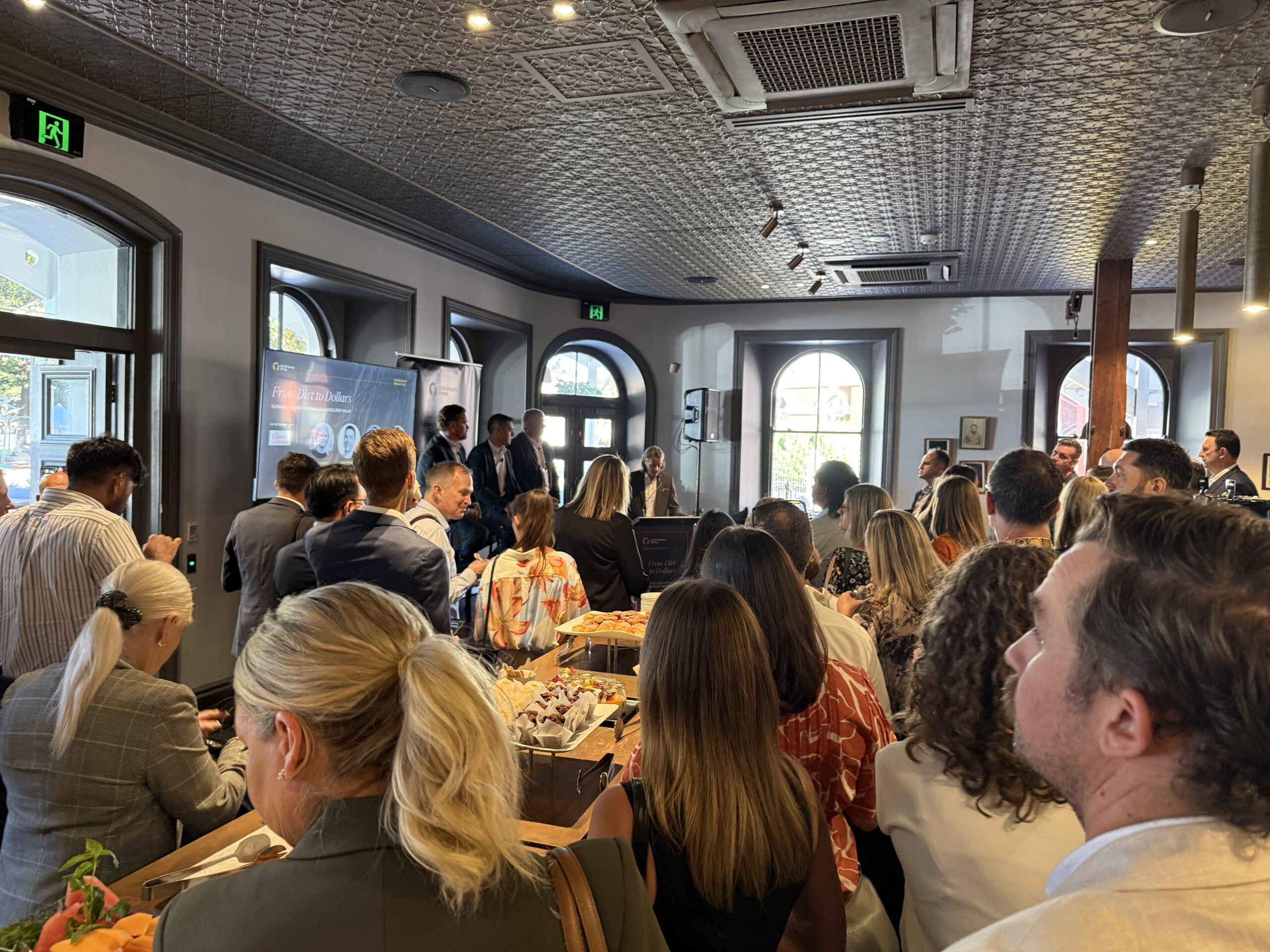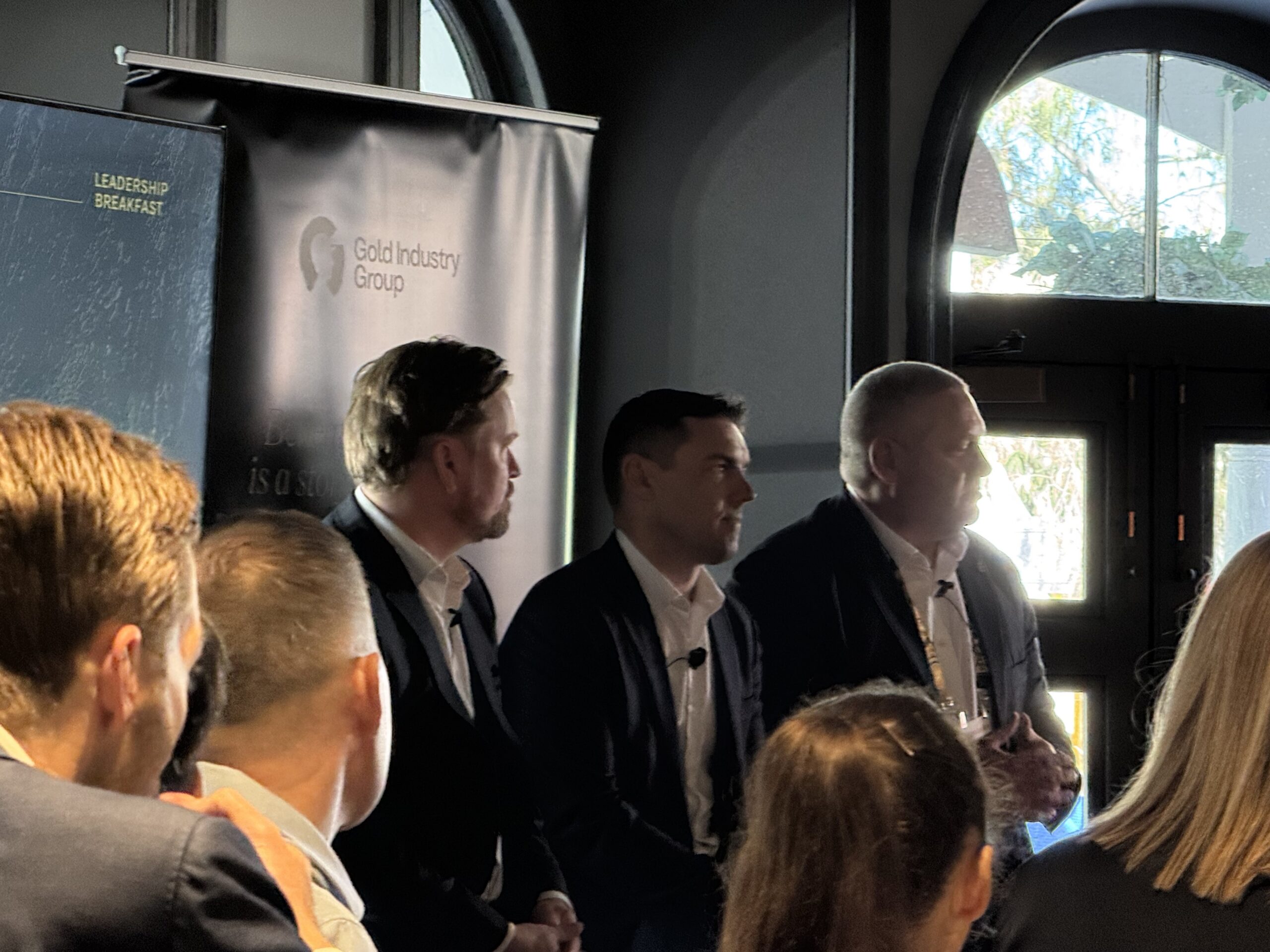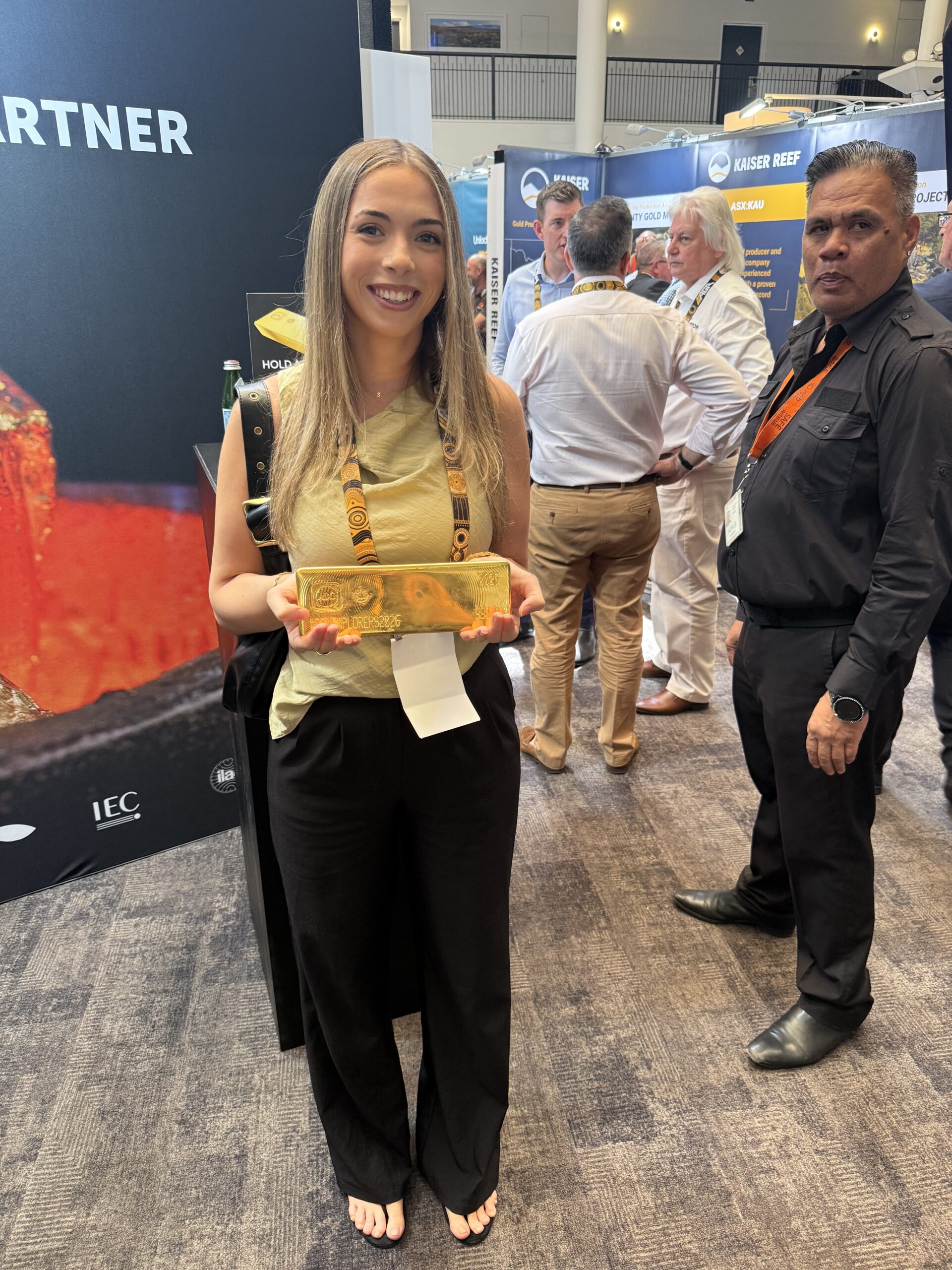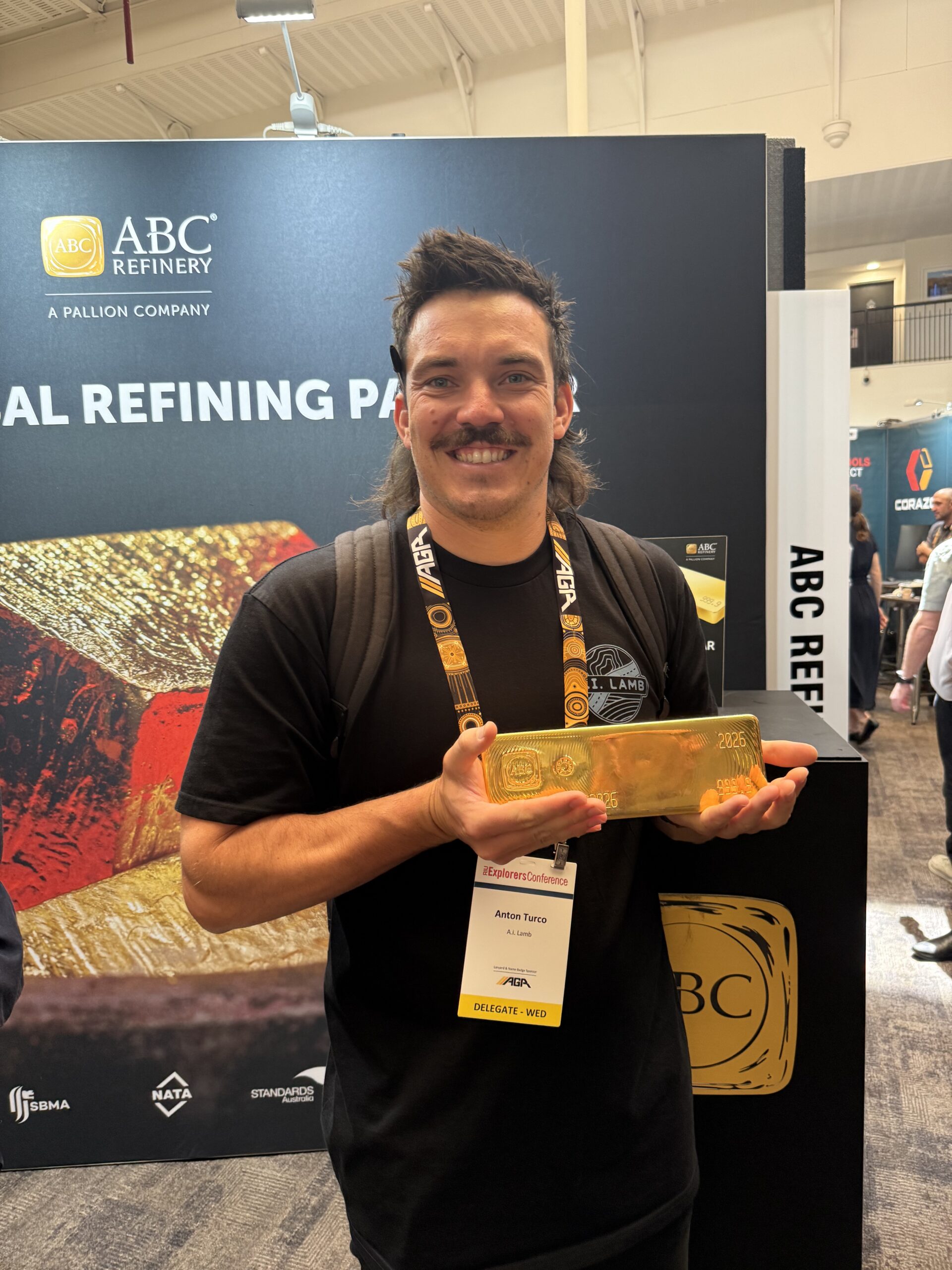

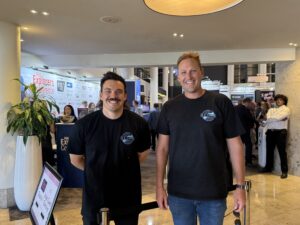
On Feb 18th, Anton, Sophie and I were in Fremantle for the Gold Industry Group Leadership Breakfast and the annual RIU Explorers Conference.
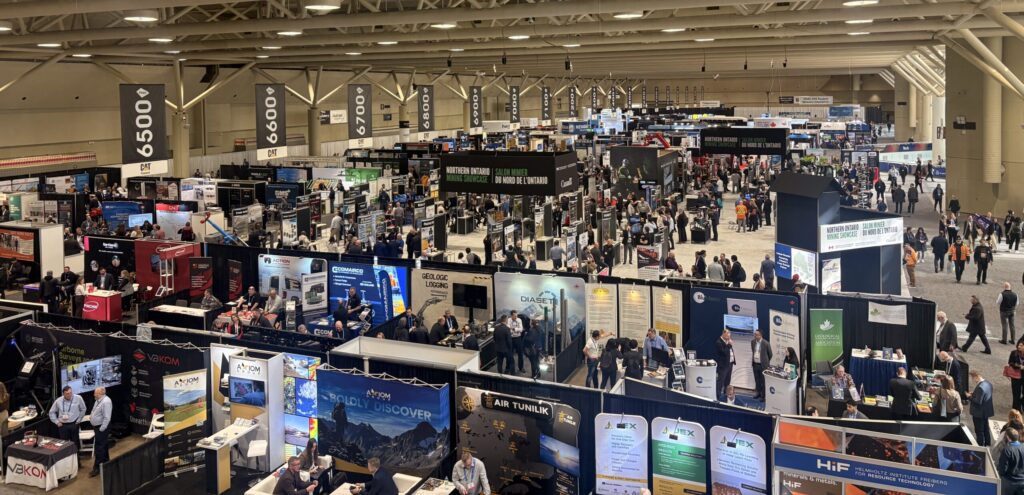
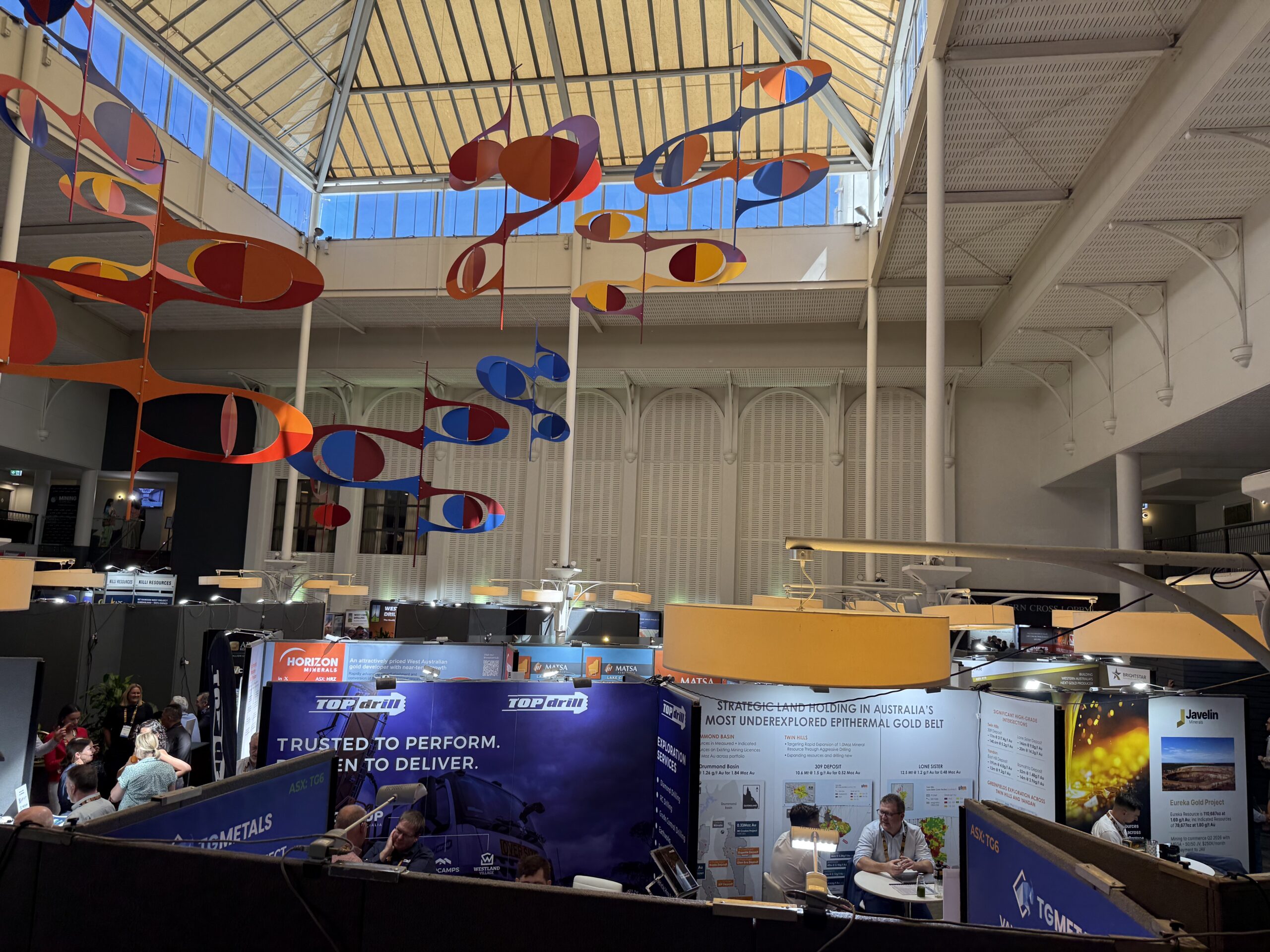
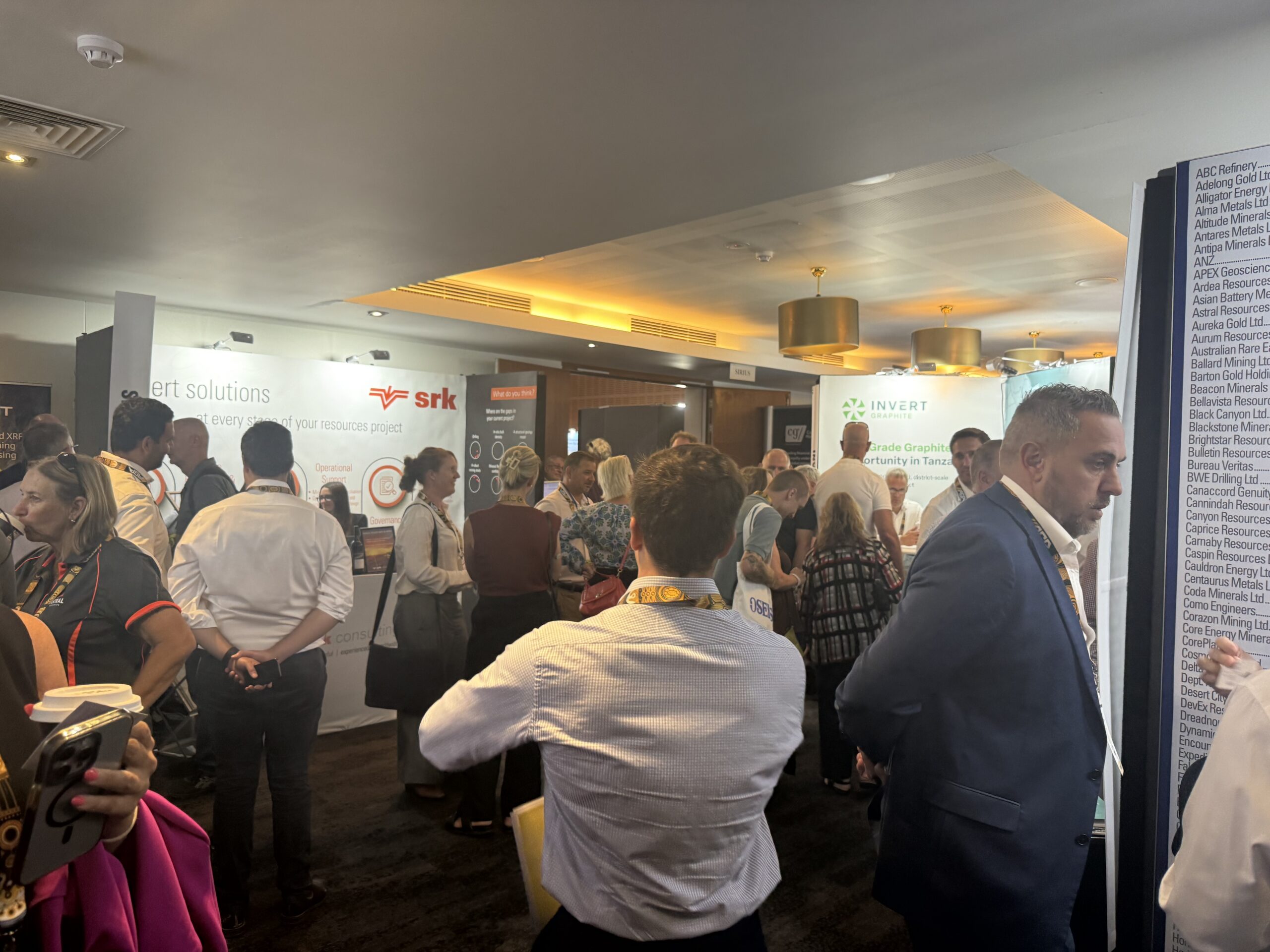
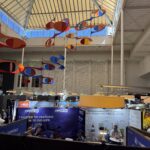
If you have ever been to RIU, you’ll know the drill. Over 2,000 delegates and around 150 exhibitors packed into the Esplanade Hotel. Investors, analysts, geos, promoters, operators, vendors all packed into a maze of rooms talking capital, drill results and strategy. It is loud, busy and unapologetically mining.

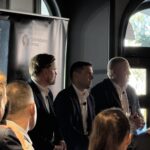
Our team at A.I. LAMB normally operate further down the value chain, working with technology suppliers and vendors once a mine is up and running, so the Gold Industry Groups Leadership Breakfast was a good reset for us. The panel was titled “From Dirt to Dollars, Turning Discoveries into Shareholder Value.” A simple title but a hard and long reality.
The opening question was a good one. What does success actually look like?
The panel speakers jointly conveyed the view that mining is full of noise. Drill hits. Announcements. Commodity swings. Market sentiment. But the only thing that really matters is whether you can turn dirt into dollars. Discovery is step one, but value creation is the real game.

Walking straight from breakfast into RIU, the mood was strong. A USD 5,000 plus gold price helps. Gold is clearly back in favour. A few years ago it was all battery minerals and lithium hype. Now the attention and the capital has shifted back to gold.
S&P Global’s latest data shows Australia’s exploration budgets are down about 6 percent year on year in 2025. But as a nation we still make up roughly 15 percent of global exploration spend. Western Australia alone accounts for about 63 percent of the national budget asserting itself as the mining capital of the world.
What caught my attention was the exploration activity in Victoria and Queensland both up around 15 percent year on year demonstrating that capital isn’t disappearing. It is moving.
The other reality is that the easy discoveries are largely gone. Surface finds close to infrastructure are rare. Exploration is going deeper, more remote, getting more technical, more data driven and more expensive. Advanced geophysics, better modelling, smarter targeting is now needed. The bar is higher and cost per discovery is higher too.
This is where we see a host of new technology stepping in. Companies like Rosor Exploration, one of our clients, and groups like Fleet Space Technologies are pushing more advanced exploration methods that simply did not exist a decade ago.
For me, the biggest takeaway across both events was simple. Western Australia remains one of the most important exploration and mining jurisdictions in the world. But we are firmly in an era where technology, discipline and strategy will separate the companies that actually create value from those that just keep drilling holes.
A good few days in Fremantle. The mining calendar does not slow down.
– Steve