
The Americas Market: Big Opportunity, Different Game
The Americas market presents one of the biggest growth opportunities in mining today.
But it is also one of the most misunderstood.
It is not a single market, it does not operate under a single set of rules, and success here looks very different to Australia and other established regions.
The sheer scale alone makes it attractive. But what really defines the Americas is its complexity.
The industry is highly fragmented and regionally diverse. Mining operations across Canada, the US and LATAM vary significantly and, rightfully so, adapt to very different operating environments.
Understanding that difference is not just useful. It is critical.
Innovation is no longer optional
This complexity is exactly what is driving the next shift.
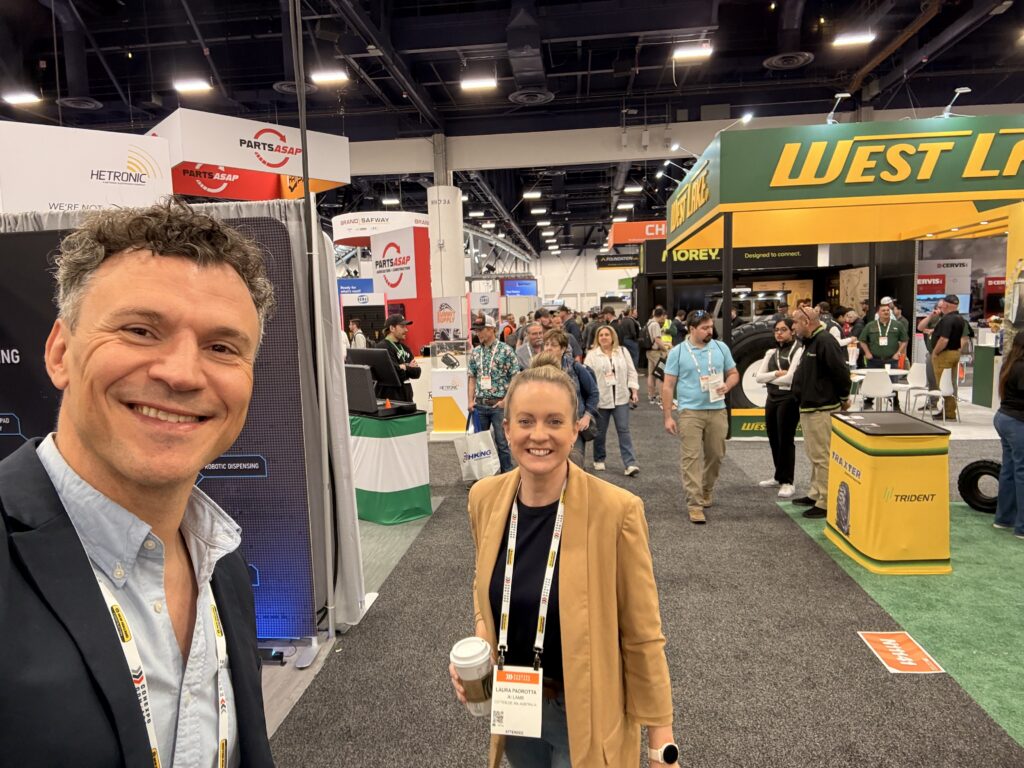
Across major industry events such as MINExpo, CIM Connect and CONEXPO, one theme stands out clearly: innovation is front of mind.
From automation and autonomous operations to electrification, what was once considered future-focused is now expected. The innovation on display is no longer experimental. It is becoming essential to remain competitive in this market.
What is particularly evident across the Americas is the demand for practical, site-level solutions.
Operators are looking for technology that addresses immediate challenges such as labour shortages and asset reliability, supported by data-driven decision-making. There is a clear shift towards intelligent systems that provide tangible, usable data, particularly as regulatory expectations continue to rise.
Regulation is accelerating the shift
Alongside this push for innovation, regulatory pressure is becoming a major driver of change.
While safety has always been a priority, the landscape in 2026 is defined by hard deadlines that are forcing a reassessment of on-site standards.
The rollout of new MSHA guidelines, including the Final Rule on Respirable Silica across all metal and non-metal mining operations, is a clear example. These changes introduce enforced uniform limits and require stronger engineering controls to manage exposure and reduce impact on both people and equipment.
Across the Americas, the direction is clear. Operations must be audit-ready.
The message to operators is simple: prepare now. Waiting until compliance deadlines hit will create unnecessary pressure, increased demand and potential disruption.
ESG is becoming operational, not aspirational
Beyond regulation, there is a broader shift shaping how operators define performance.
As in Australia, ESG has moved well beyond corporate rhetoric. Across the Americas, it is increasingly being treated as a core business priority, driven not only by internal commitments but by external expectations that make inaction difficult to justify.
What has changed most is where ESG sits within the organisation.
It is no longer a separate function. It is embedded within day-to-day operations, influencing how decisions are made and how performance is measured.
This reflects a broader global trend where sustainable and responsible practices are no longer seen as optional. They are directly tied to long-term business performance.
What this means for companies entering the Americas
Taken together, these dynamics point to a clear reality.
Success in the Americas is not just about having the right product.
It is about understanding how to operate within a fragmented market, align with regulatory pressure and deliver outcomes that matter at site level.
The companies that succeed here are not just bringing technology.
They are bringing clarity, adaptability and a well-defined pathway to market.
Because in the Americas, opportunity is significant.
But so is the expectation to get it right.