
Australia’s truck driver shortage is accelerating. Autonomous trucks are already responding.
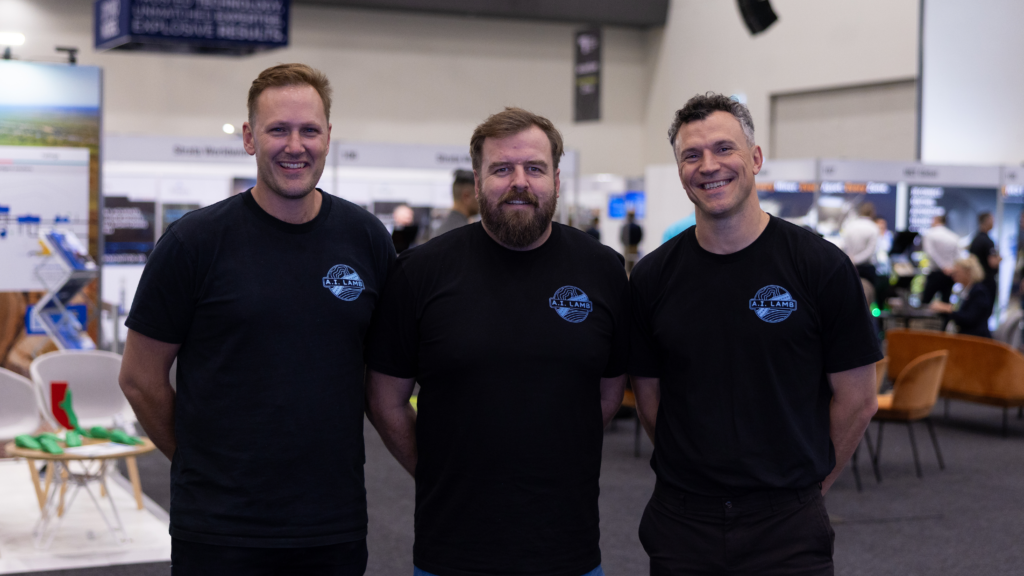
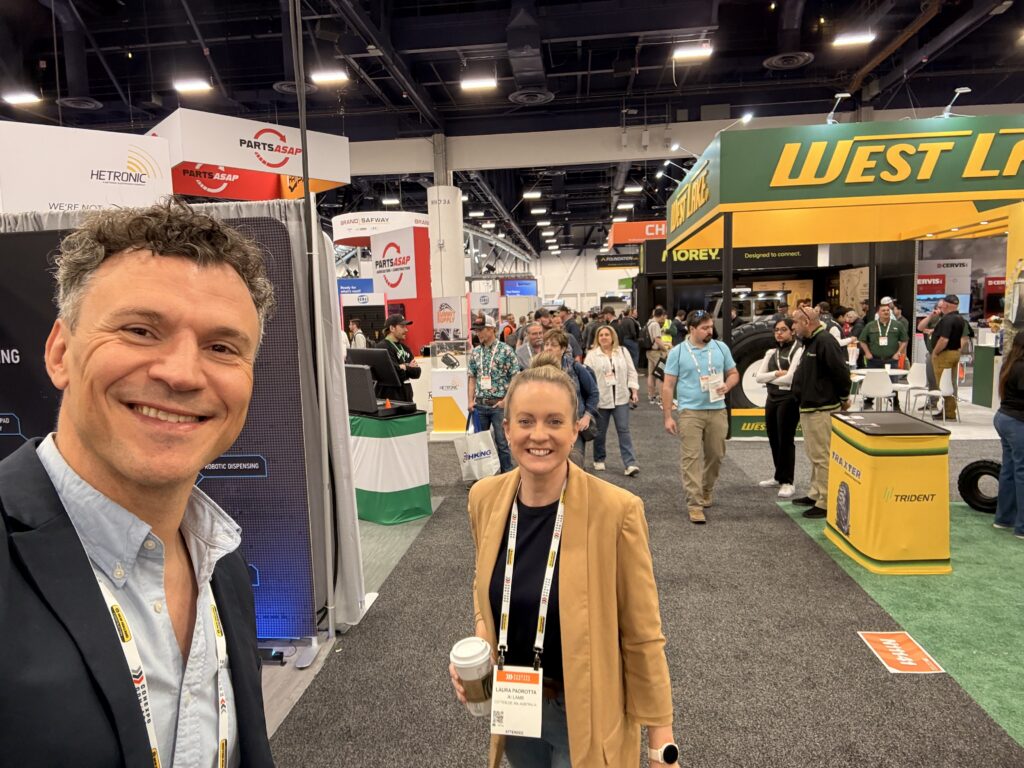
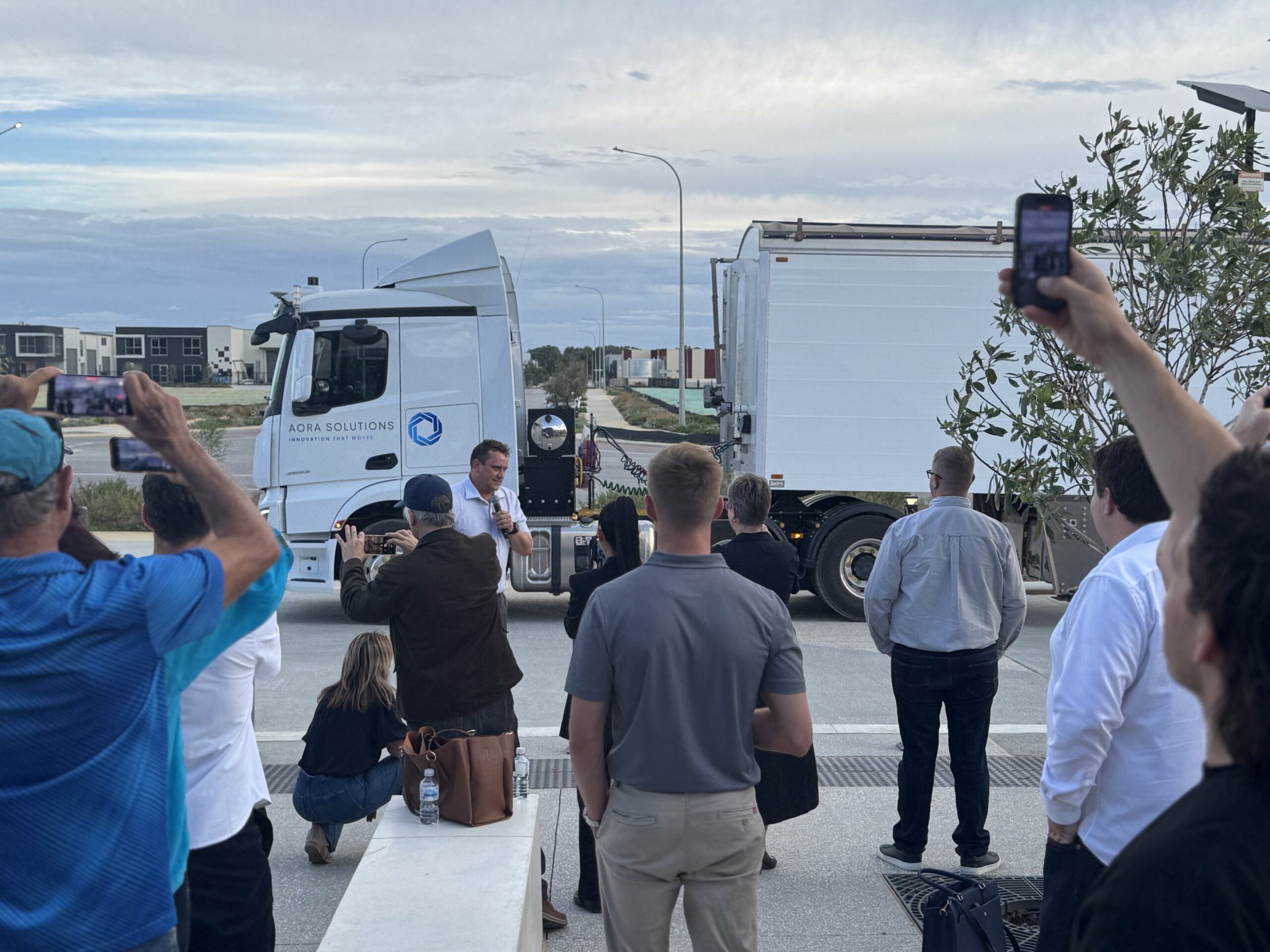
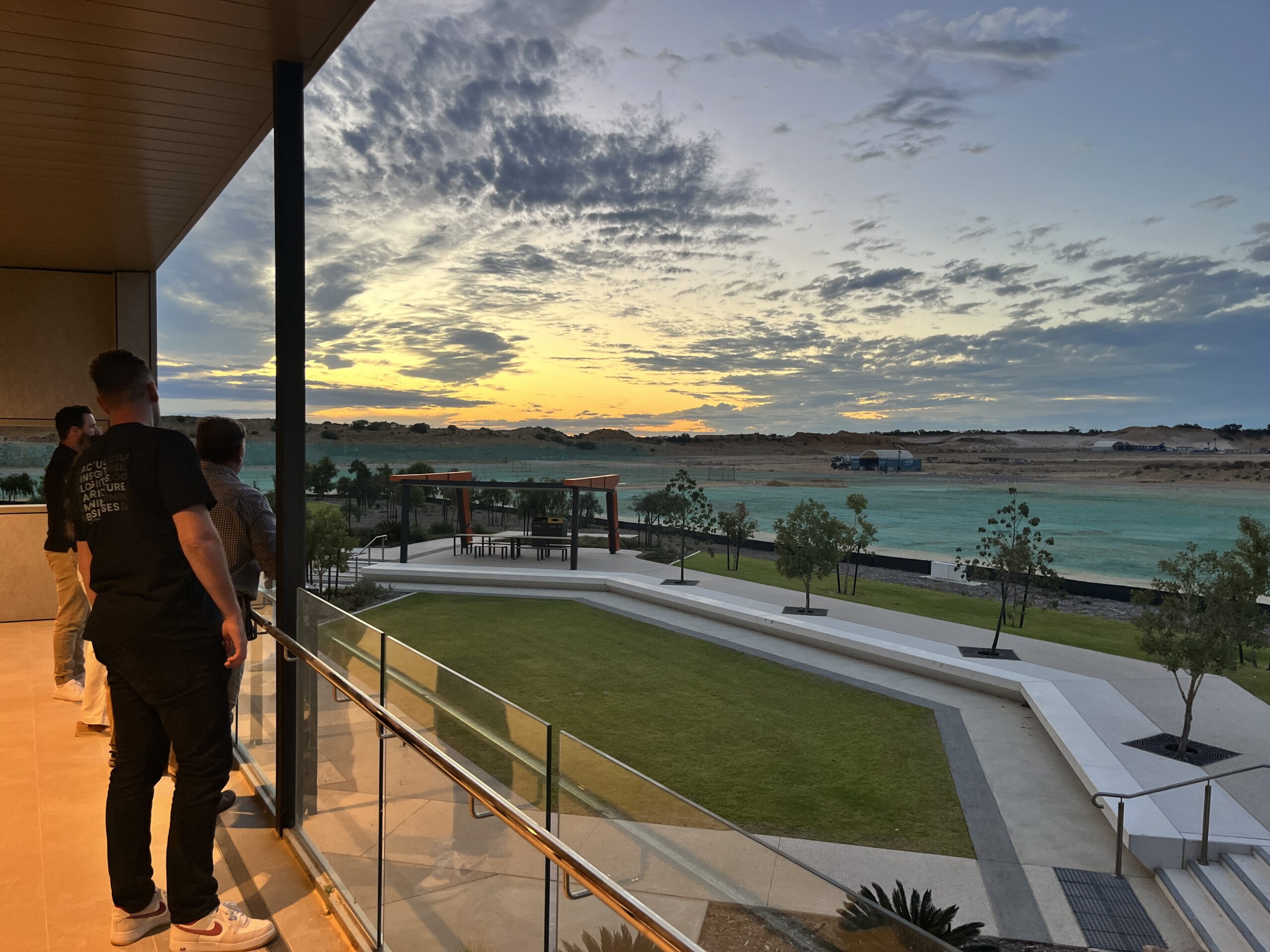
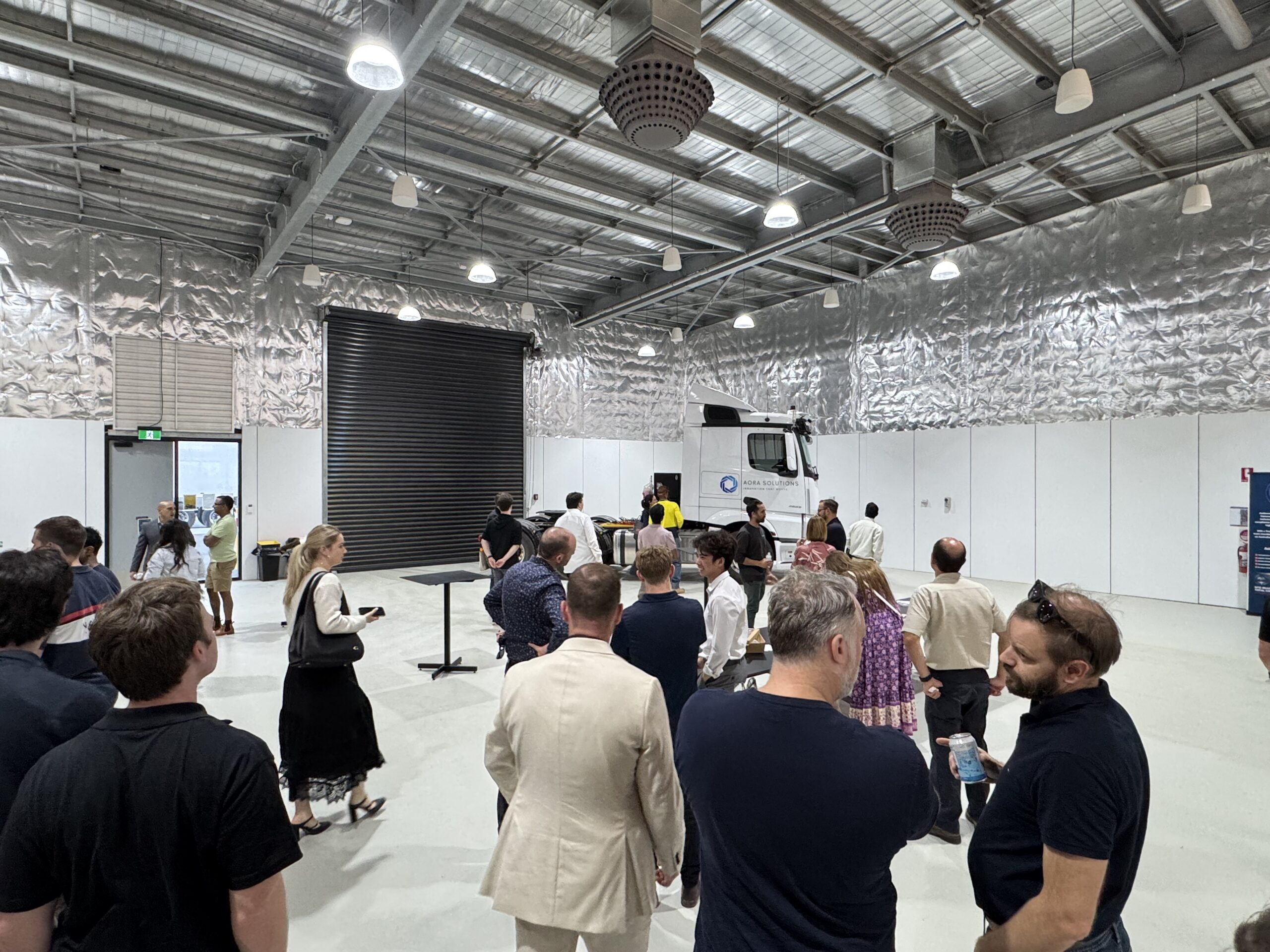
Late last week, March 2026, we attended the first Bots & Bevs event of 2026 at the Australian Automation and Robotics Precinct (AARP). What stood out was not just the technology on display, but the clear signal of where Australia’s heavy industries are heading.
Let’s set the scene.
Nearly half of Australia’s truck drivers are over the age of 55. With a large portion of that workforce set to retire in the coming decade, and not enough younger drivers entering the industry, the pressure on freight and supply chains is only increasing.
According to NatRoad, Australia is currently facing a shortage of around 28,000 truck drivers, forecast to grow to 78,000 unfilled roles by 2029. That represents a 26 per cent reduction in the national truck driver workforce. This is not just a labour issue, it is a direct constraint on how goods move across the country.
This challenge has been building for years. In 2022, the Western Roads Federation estimated that Western Australia alone was losing more than $2 million per day in the bulk haulage sector due to driver shortages, with some operators already experiencing workforce gaps exceeding 15 per cent.
The warning signs were clear, the urgency is now catching up.


From labour shortage to operational risk.
The question is no longer whether the industry will face a shortage, it is how it will maintain safe, consistent, and scalable freight movement.
This is where autonomous trucking is shifting from concept to practical solution.
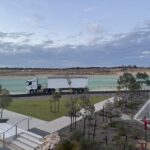
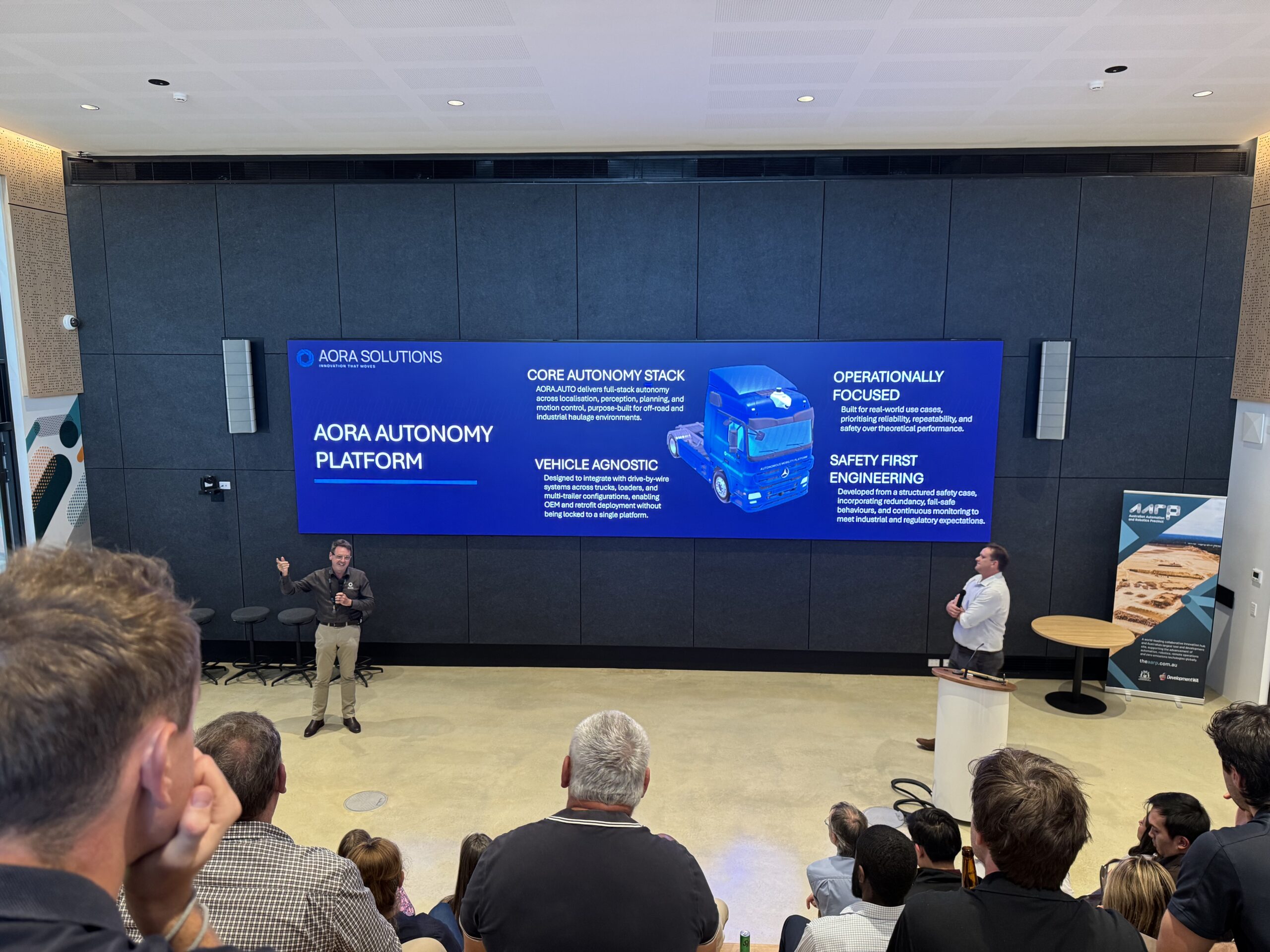
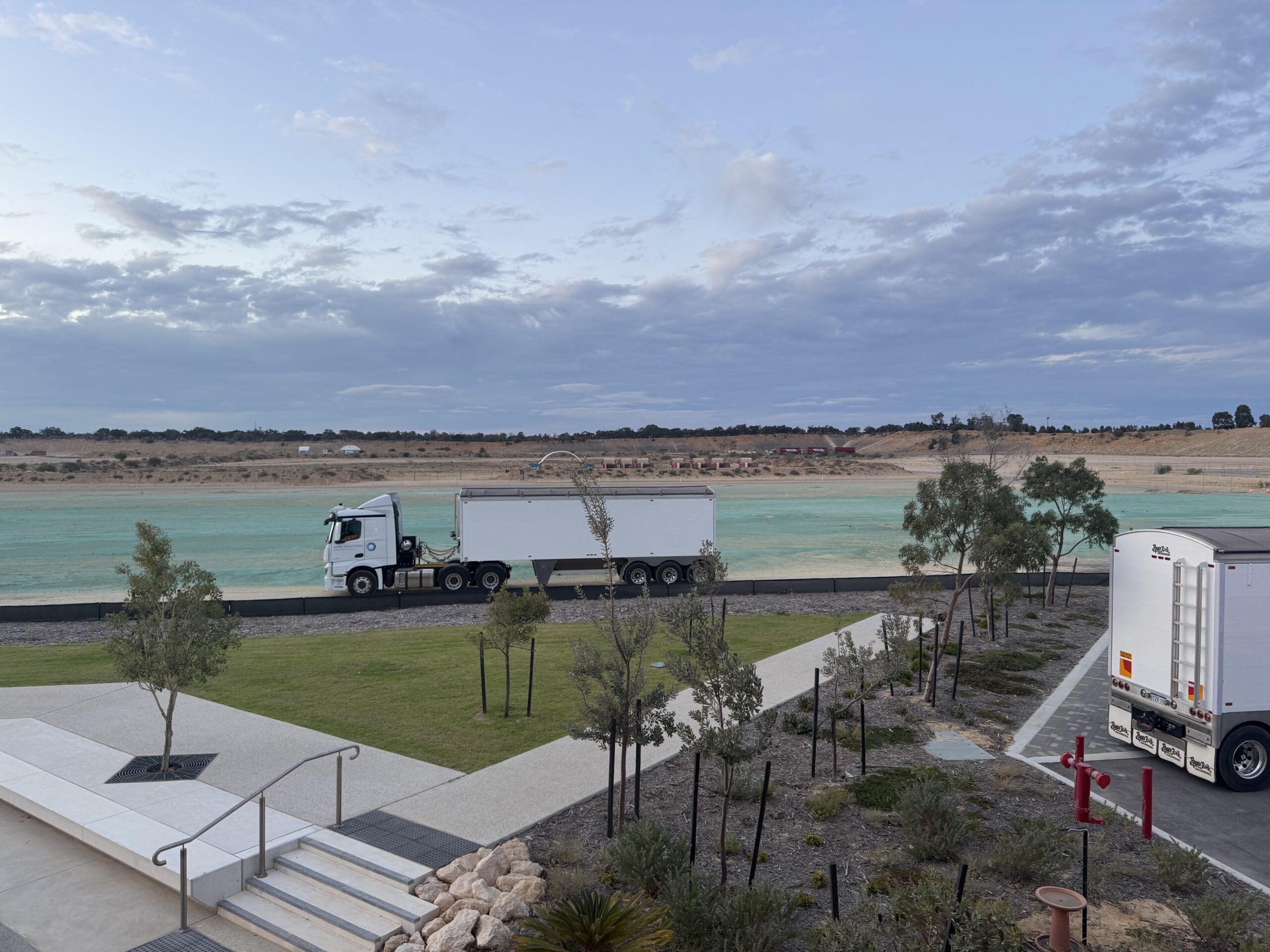
At AARP, we had the opportunity to see AORA Solutions demonstrate their autonomous truck platform in a live environment. This was not a simulation or a concept model, it was real equipment operating in real conditions.
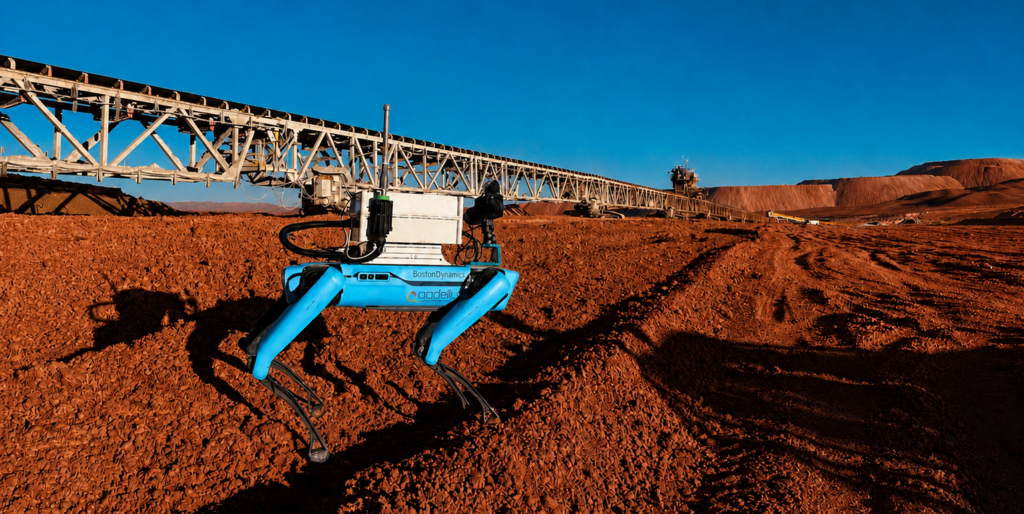
From a technology standpoint, the integration was strong. The system combines LiDAR, GNSS, and camera-based perception to support navigation and decision-making. Autonomous path planning has reached a level of maturity that allows vehicles to operate in more complex environments, moving beyond controlled mining sites toward broader use cases.
Safety remains a central focus. In high-risk industries like logistics, robust safety architecture is essential, and the progress in this area is significant. The remote operations interface also demonstrated readiness for real-world deployment, supporting scalability beyond pilot programs.

Practical deployment, not theory
What differentiates AORA Solutions is their focus on real-world integration. Rather than replacing entire systems, their approach is to integrate autonomy into existing fleets, infrastructure, and workflows. This incremental model is more aligned with how industrial environments adopt new technology.
Their work with CBH Group provides a clear example; autonomous systems are already supporting grain haulage operations across Western Australia, proving this is not a future scenario, it is already happening.
At the same time, it was great to see our sister company, Smartlox, being used within the AARP facility. It is another example of industrial technology being applied in real environments, solving practical problems rather than remaining in concept stages.
Facilities like AARP play an important role in this transition. Access to a real-world testing environment close to industry helps bridge one of the biggest challenges in technology adoption: commercial validation. It reduces the gap between proving a solution in the field and gaining acceptance at an operational and executive level.
The second phase of industrial innovation
Across heavy industry, we are seeing a shift from capability to deployment. The first phase of innovation asks “Can it work?”. The second phase asks “Can it be adopted at scale?”.
That is where the industry now sits.
From our perspective at A.I. LAMB, the biggest challenge for companies building these solutions is not the technology itself, it is how those solutions are positioned, commercialised, and being able to answer the questions around change management so they can be adopted within complex, risk-aware industries.
What comes next
Labour shortages in Australia’s transport sector will continue to grow. As a result, technologies that improve safety, reliability, and operational consistency will move from optional to essential.
Autonomous trucking is one of those technologies.
The next phase will not be defined by who can build the technology, but by who can deploy it, scale it, and embed it into the industries that need it most.
If you are building in this space or thinking about how your solution enters the market, that is exactly where we come in. Learn more at https://ai-lamb.com/
Great work to the AORA Solutions team and the Australian Automation and Robotics Precinct for hosting a strong and insightful event.