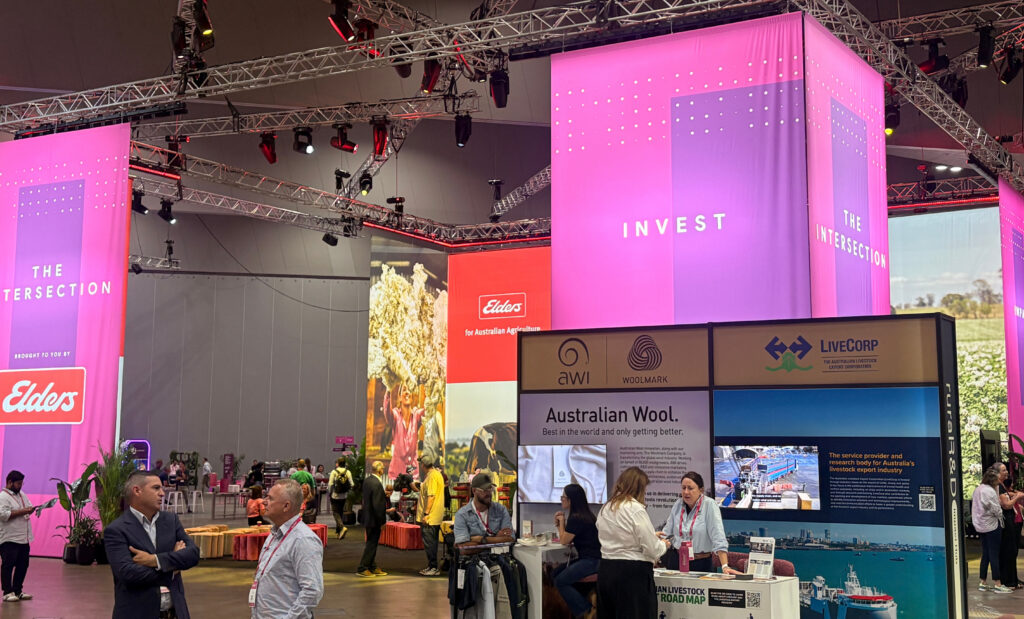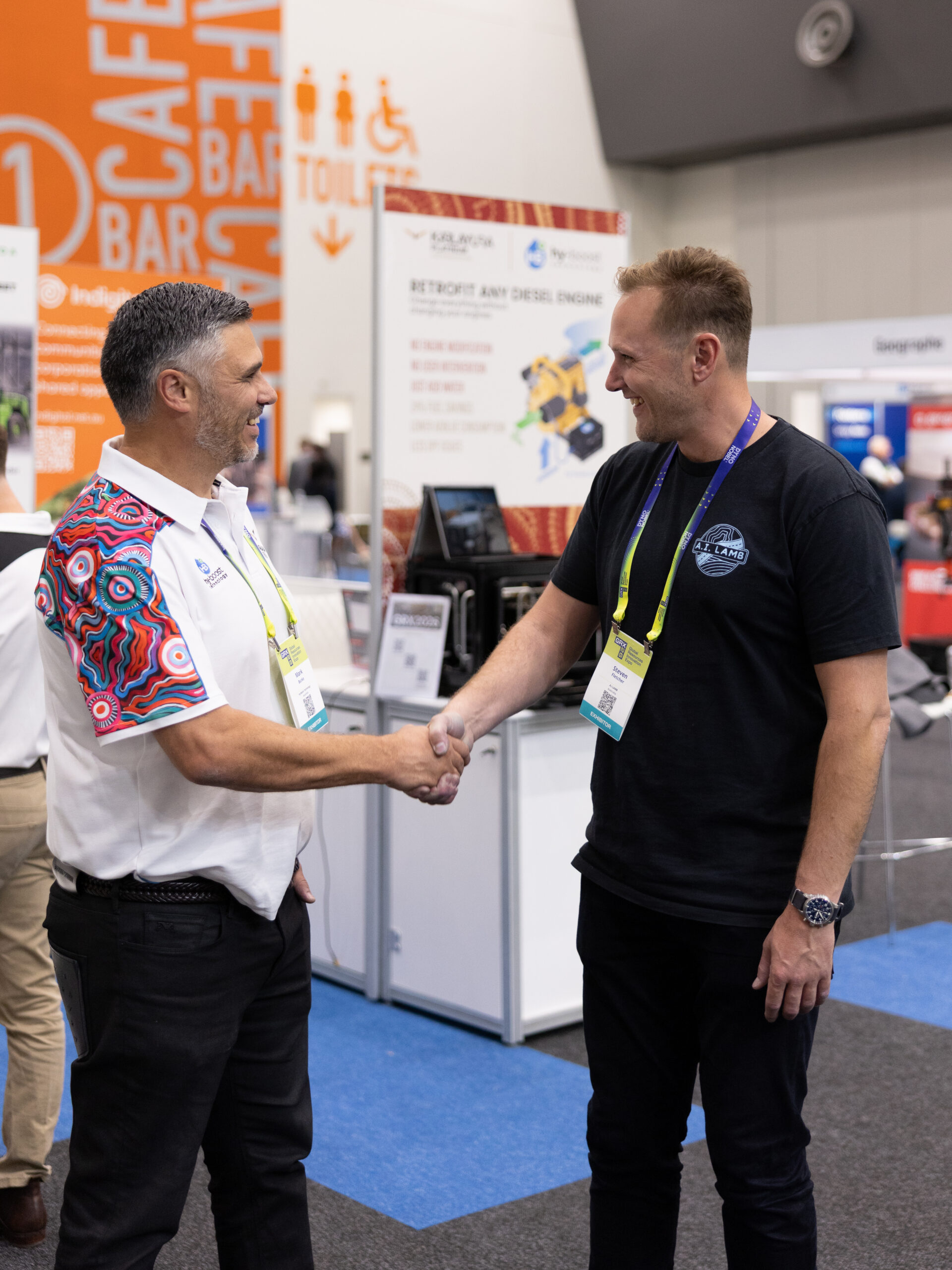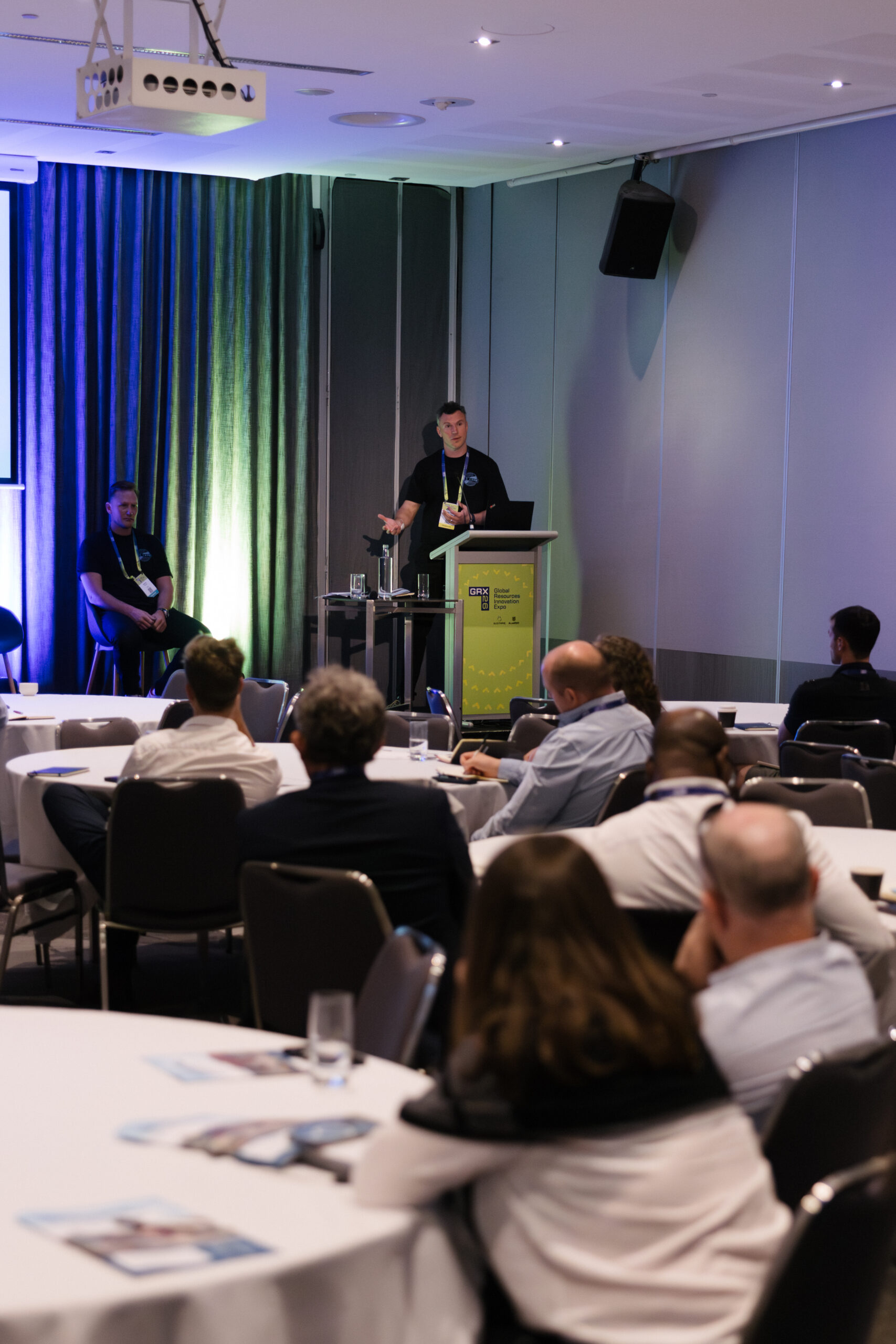

GRX26 highlighted a major shift across mining and METS: companies are moving beyond innovation messaging and focusing on operational execution, scalability, and measurable commercial outcomes.
Mining conferences have always been good at talking about the future.
GRX26 in Perth felt different.
The conversation was noticeably less focused on hypothetical disruption and far more focused on practical execution. Across the event, the discussion consistently returned to operational outcomes, implementation, scalability, and commercial value.
That shift matters because the mining and METS sector is operating in a very different environment than it was even a few years ago.
Commodity pressure continues in some markets while investment accelerates in others. Critical minerals are reshaping national policy discussions. AI is moving from experimentation into operational deployment. Decarbonisation continues influencing capital allocation decisions. And globally, governments are becoming far more active in supply chains, downstream processing capability, and industrial competitiveness.
GRX26 reflected all of it.
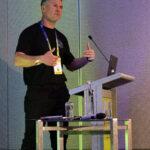
The opening address from WA Mines and Petroleum Minister Hon David Michael MLA reinforced Western Australia’s growing importance within critical minerals, downstream processing, and global mining competitiveness. The Western Australian State Budget, handed down the same day, only strengthened that broader message.
Mining is no longer just a resources conversation. It now sits directly alongside discussions around sovereign capability, energy transition, industrial productivity, operational resilience, and global supply chain strategy.
For mining and METS businesses, that creates significant opportunity. It also creates pressure.

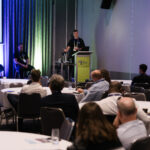

Mining Buyers Are Becoming More Commercially Disciplined
One of the clearest shifts across GRX26 was how buyers are now evaluating technology and innovation.
A few years ago, mining events were heavily dominated by broad innovation messaging. This year, the conversations felt far more operational and commercially grounded.
Questions increasingly centred around:
- How does this improve productivity?
- How does this reduce downtime?
- How does this integrate into existing operations?
- How quickly can this scale?
- What does implementation actually look like?
- What measurable operational value does this create?
As mining technology adoption matures, operators are becoming far more commercially disciplined about what they invest in. Innovation alone is no longer enough.
Mining companies are increasingly prioritising technologies and partners that are practical, scalable, and commercially deployable within real operational environments. That distinction is becoming increasingly important across the global mining industry.

AI in Mining Is Moving Beyond Experimentation
The AI discussion throughout GRX26 was probably the clearest example of this broader shift. There is still enormous interest in AI across mining, but the conversation has become much more focused on operational outcomes rather than capability claims.
Most operators are no longer interested in whether a platform is simply “AI-enabled”. They want to know whether it can:
- improve maintenance planning
- increase operational visibility
- optimise throughput
- support faster decision-making
- integrate into existing workflows
- reduce operational inefficiencies
- deliver measurable ROI
That shift creates a major opportunity for mining technology and METS businesses that can clearly connect technology capability to operational and commercial outcomes. It also changes how mining innovation needs to be positioned in the market.
The businesses gaining traction are not necessarily the ones with the loudest innovation messaging. They are the ones that can demonstrate operational relevance, implementation confidence, and measurable commercial value.
That is something we spend a significant amount of time helping clients navigate at A.I. LAMB.


The METS Businesses Reflecting This Shift
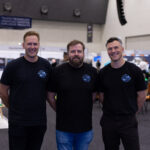
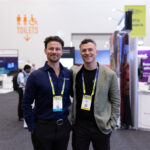
A number of businesses participating in and around GRX26 reflected the broader direction the market is moving.
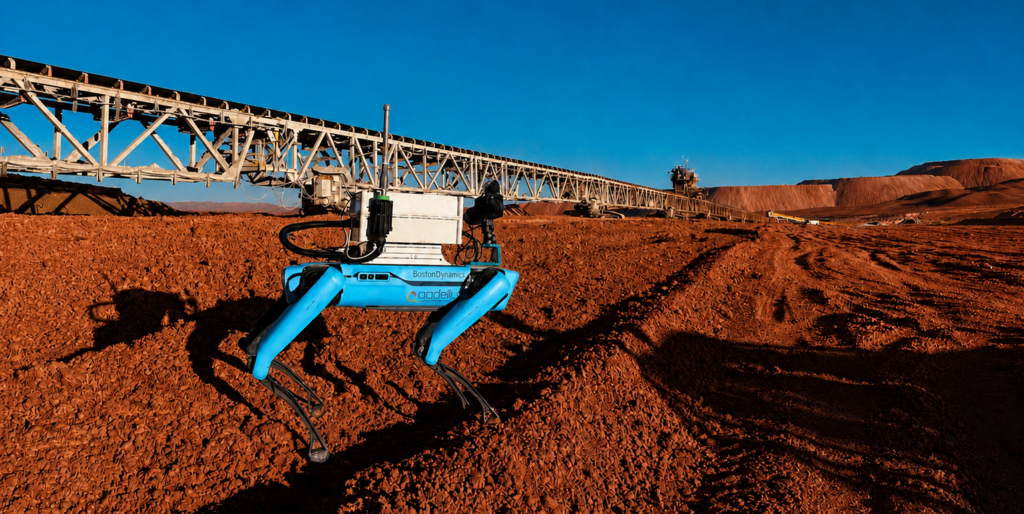
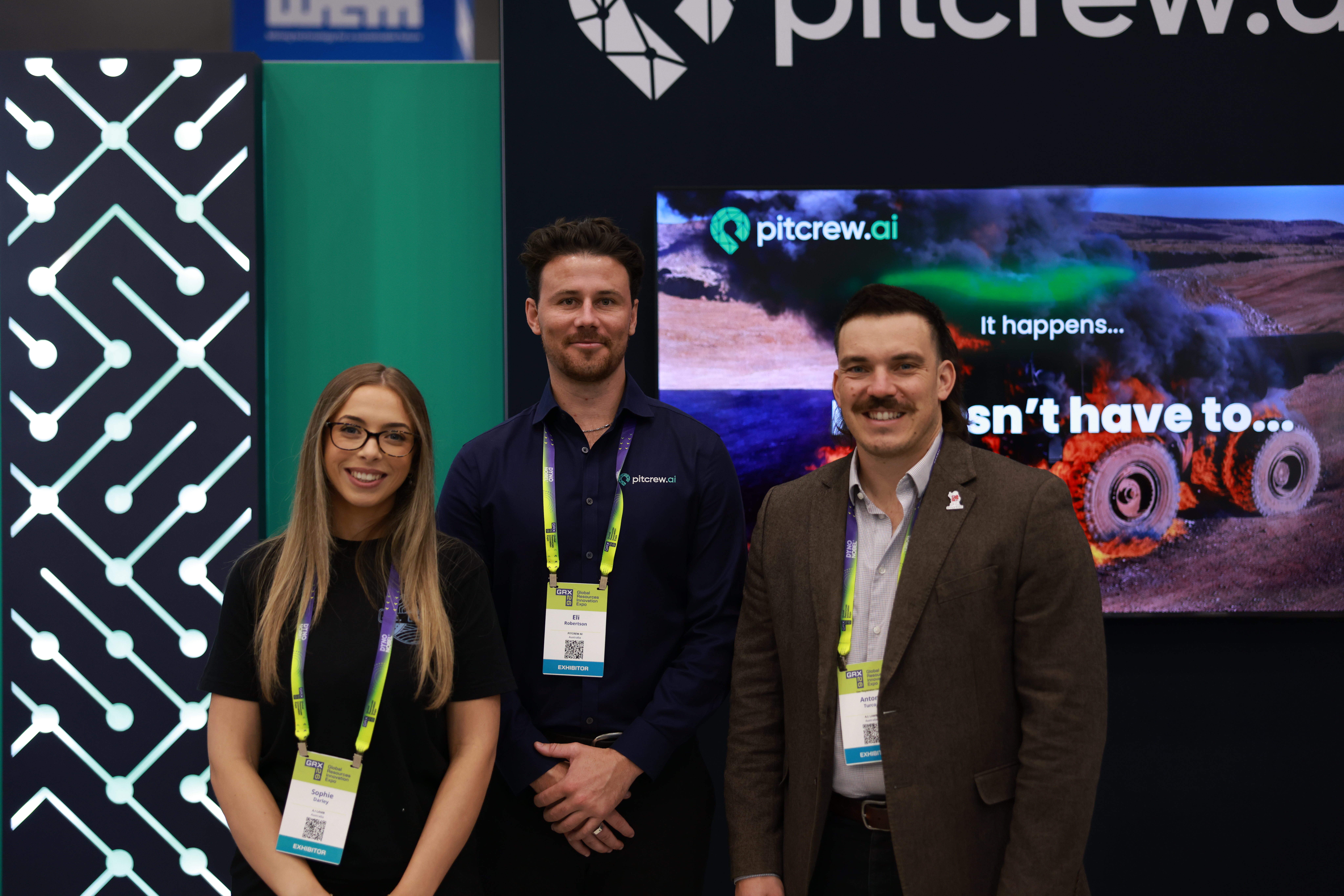
Godelius reflects the growing demand for AI systems that can operationalise industrial data and improve visibility across operational environments.
MechProTech continues demonstrating how mineral processing expertise and scalable engineering capability remain critical as mining projects expand globally.
Smartlox reflects increasing focus on operational safety, access control, and isolation management as mining environments become more connected and operationally complex.
Goldilock highlights the growing importance of operational technology and infrastructure security across industrial environments, particularly as mining operations become increasingly digitised.
Karlayura Platinum reflects the growing importance of trusted mining procurement partners, Indigenous-owned supply chains, and equipment solutions designed for Australian mining environments.
Haultrax represents another important trend emerging across mining technology: making operational systems more commercially accessible to a broader range of mining operations. Fleet management systems have traditionally been associated with larger mining environments and significant implementation costs. More accessible deployment models create opportunities for a much wider segment of the market.
While each business operates in different areas of mining and METS, they all reflect a similar market shift.
Mining companies are increasingly looking for technologies and partners that can move beyond innovation messaging and deliver practical operational outcomes at scale.

Why Perth Continues to Grow as a Global Mining Hub
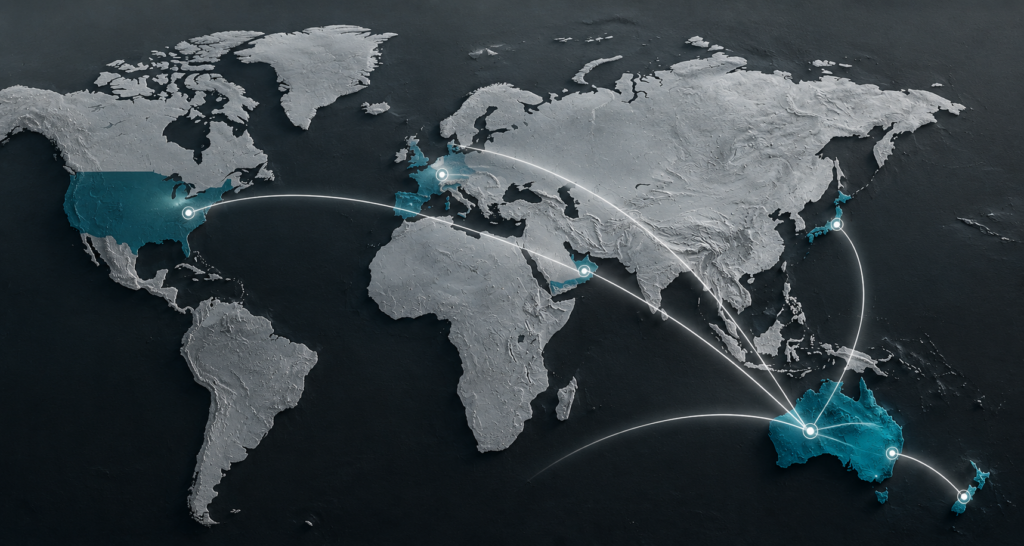
GRX26 also reinforced Perth’s growing strategic importance within the global mining ecosystem.
That is not simply because of the scale of mining activity in Western Australia.
Perth increasingly sits at the intersection of:
- mining operators
- investors
- governments
- technology companies
- METS businesses
- international organisations entering the Australian market
As global mining investment continues evolving around critical minerals, operational productivity, and industrial capability, Western Australia’s role is becoming increasingly significant.
For mining and METS companies, that creates substantial opportunity over the next several years.
But the businesses likely to succeed will be the ones that combine strong capability with a clear understanding of how mining customers actually buy, implement, and scale solutions inside operational environments.
The Bigger Takeaway From GRX26
GRX26 showed that mining is entering a far more commercially mature phase of technology adoption. The industry is moving beyond innovation signalling and focusing more heavily on operational execution, scalability, integration, and measurable value.
That shift is reshaping how mining technology companies position themselves, how operators evaluate solutions, and how investment decisions are increasingly being made across the sector.
The winners over the next decade are unlikely to be the businesses with the loudest innovation messaging. They will be the companies that can consistently translate capability into operational performance, implementation confidence, and measurable commercial outcomes.
As mining technology adoption continues maturing, the challenge for many businesses will no longer be developing capability. It will be communicating operational value clearly enough for the market to adopt it.